Top IT Trends Impacting Businesses Today


Introduction to IT Trends
In today's rapidly evolving digital landscape, businesses are continually adapting to new IT trends that are reshaping the way they operate. From enhanced security measures to cutting-edge technologies, these trends are crucial for staying competitive and efficient. Understanding these trends can help businesses make informed decisions and leverage technology to their advantage.

Artificial Intelligence and Machine Learning
Artificial Intelligence (AI) and Machine Learning (ML) have become integral to business operations. These technologies enable businesses to automate processes, improve customer service, and make data-driven decisions. AI-powered tools can analyze vast amounts of data to provide insights that were previously unimaginable.
Companies are using AI for personalized marketing, enhancing customer experiences, and even predicting market trends. As AI continues to evolve, its applications are expected to expand, offering even more opportunities for businesses to innovate and grow.
Cloud Computing
Cloud computing has revolutionized the way businesses store, manage, and process data. By moving to the cloud, companies can enjoy greater flexibility, scalability, and cost savings. This trend allows businesses to access resources on-demand and scale their operations without significant upfront investments.
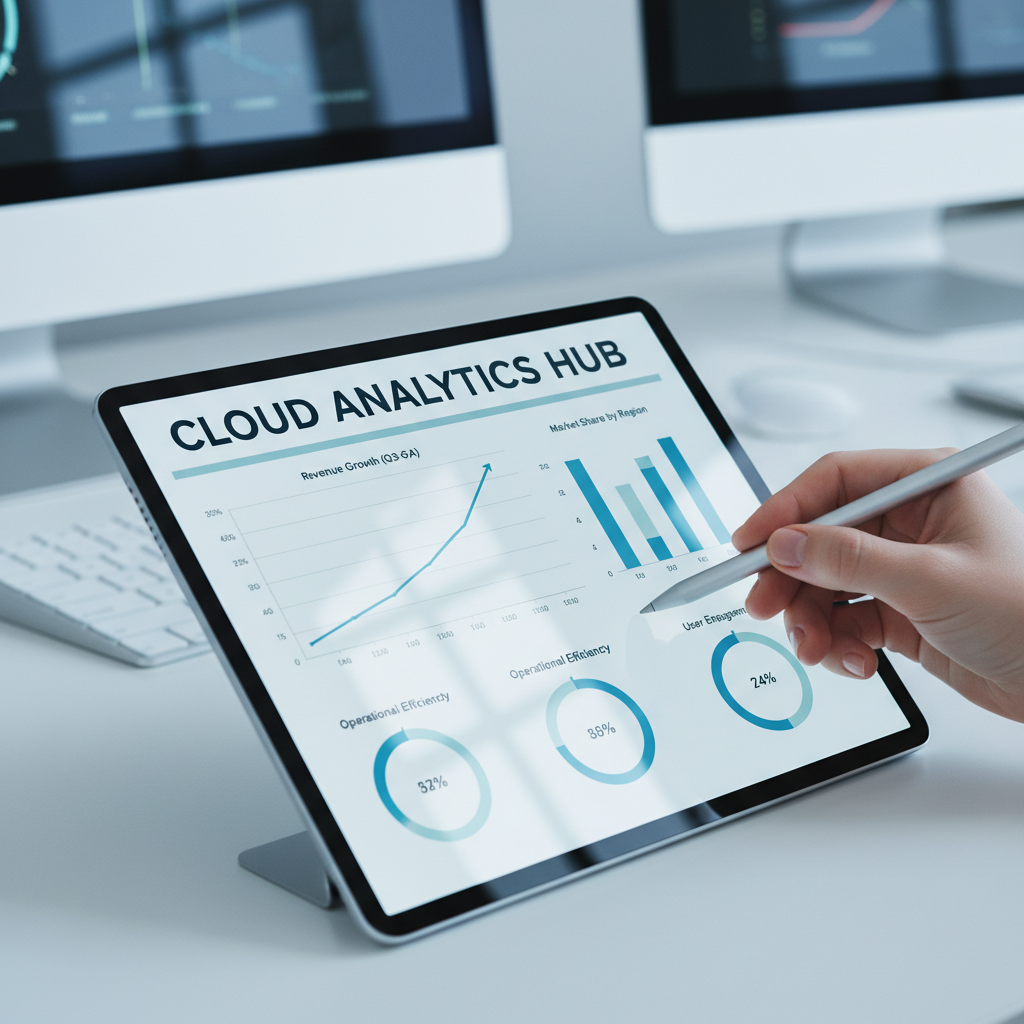
Moreover, the rise of hybrid and multi-cloud strategies provides businesses with the ability to optimize performance and ensure redundancy. Leveraging cloud solutions can lead to increased collaboration and efficiency across teams, driving business success.
Cybersecurity Enhancements
With the increasing reliance on digital solutions, cybersecurity has become a top priority for businesses. The rise in cyber threats has led to the development of more sophisticated security measures. Businesses are investing in advanced security systems to protect their data and maintain trust with their customers.
Implementing multi-factor authentication, encryption, and regular security audits are just a few ways companies are enhancing their cybersecurity posture. Staying ahead of cybercriminals requires continuous monitoring and adapting to new security challenges.

Internet of Things (IoT)
The Internet of Things (IoT) is connecting devices and creating smarter environments. Businesses are leveraging IoT to improve operational efficiency, reduce costs, and enhance customer experiences. From smart factories to connected consumer products, IoT is enabling new business models and innovations.
As IoT technology continues to advance, the potential for integration across various industries is vast. Businesses that adopt IoT solutions can gain a competitive edge by optimizing their operations and offering enhanced services.
Remote Work Technologies
The shift towards remote work has accelerated the adoption of technologies that support virtual collaboration and communication. Tools like video conferencing, project management software, and virtual desktops have become essential for maintaining productivity and connectivity among remote teams.

This trend is not only beneficial for employees seeking flexibility but also for businesses looking to attract talent from a global pool. Embracing remote work technologies can lead to increased employee satisfaction and retention, ultimately driving business growth.
Conclusion
As technology continues to evolve, businesses must stay informed about the latest IT trends to remain competitive. From AI and cloud computing to cybersecurity and IoT, these trends offer opportunities for innovation and efficiency. By embracing these advancements, businesses can enhance their operations, deliver better services, and achieve long-term success in the digital age.